


Key Takeaways
- Slipping daily routines, loneliness, and safety concerns are real signals worth taking seriously.
- Caregiver burnout is common, and getting extra support can give families more opportunities to enjoy meaningful time together.
- Senior living options can include independent living, assisted living and memory care, based on an individual’s needs.
- The transition can feel like a fresh start, not a loss, with the right planning and mindset.
From Home Care to Community Life
There’s a moment many families recognize but don’t quite have words for. The laundry piles up. A meal gets skipped. A fall happens and everyone brushes it off, but nobody fully stops worrying. If any of that sounds familiar, you’re not alone, and you’re asking exactly the right questions.
Knowing when to transition from home care to a senior living community isn’t about giving something up. It’s about finding the support and connection that fit your current needs. A community can offer opportunities for social connection, activities, and personalized support that may be difficult to maintain at home.
Signs It Might Be Time for a Change
It rarely happens all at once. More often, it’s a slow accumulation of small things. Meals that used to be simple now feel like a chore. Bills sit unopened on the counter. Personal hygiene starts slipping. These shifts aren’t character flaws. They’re signals that more support could make everyday life feel easier and more enjoyable.
Loneliness is another quiet sign. When hobbies fade, phone calls get shorter, and days blur together without much social connection, something important is missing. Social isolation can have real effects on health and well-being in older adults, which makes connection more than just a comfort. It becomes part of everyday care.
Safety concerns, such as frequent falls, missed medications, or repeated hospital visits, may signal that additional support or senior living could help. These aren’t just inconveniences, they’re invitations to explore whether additional support could work for you.
What Caregiver Burnout Looks Like
Caring for someone you love is one of the most meaningful things you can do. It can also be challenging. Balancing caregiving with other responsibilities can be hard to manage. Even when caregivers are fully committed to supporting their loved ones, they may find that they need more support, too. Recognizing the signs of caregiver stress early can make a real difference for everyone involved.
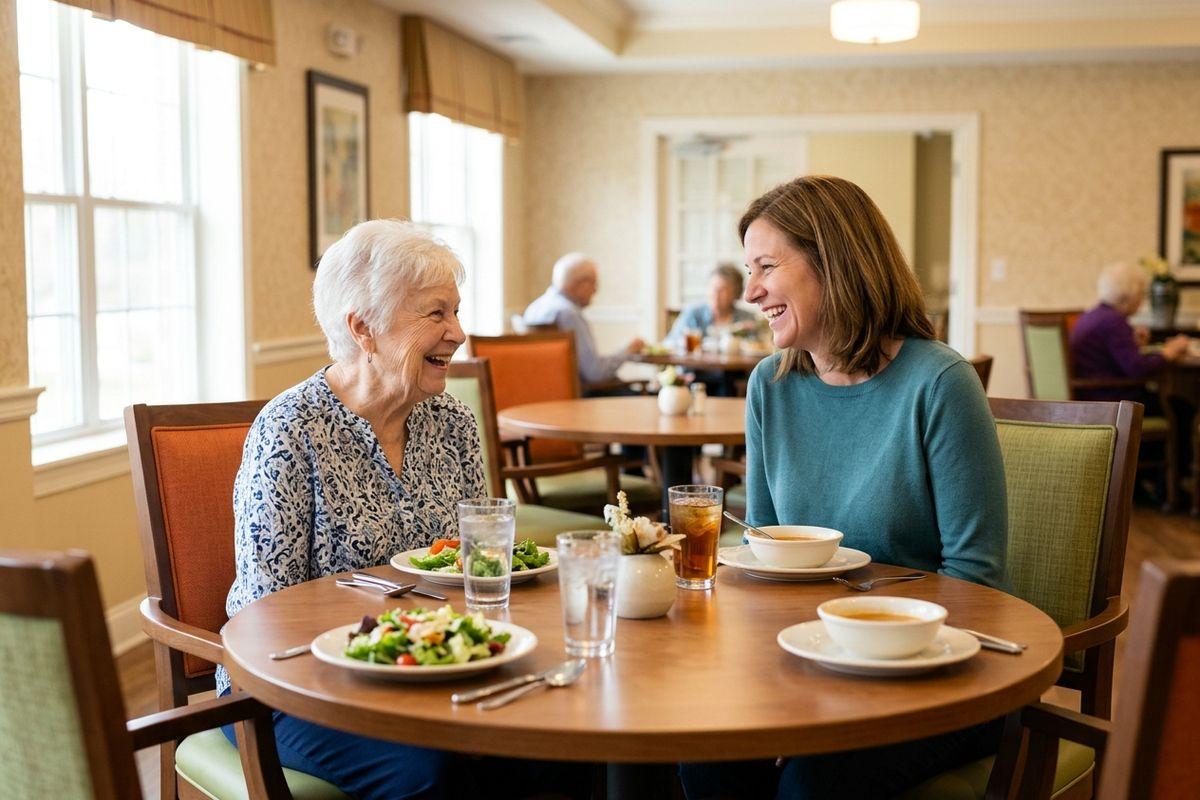
Caregiver burnout can affect more than the caregiver. When so much of your time together is spent on caregiving tasks, it can be hard to simply enjoy being with the person you love. Additional support can give families more time to connect, talk, laugh, and make memories together.
A New Kind of Support
Choosing a senior living community isn’t a retreat, it’s a reshaping. When professional care handles the day-to-day, families get to simply show up and enjoy each other. Visits turn into shared laughs over lunch, afternoon walks, or a favorite TV show, not logistics and medication schedules.
Moving to a senior living community can change the role family members play, giving them more opportunities to focus on their relationship rather than day-to-day caregiving tasks.
What Are Your Senior Living Options?
Independent Living
Independent living is a great fit for people who want to be part of a community without needing extra daily care. Think of a full social calendar, no home maintenance, and neighbors who actually want to get together. It’s active, it’s rich with possibility, and it puts the joy of community front and center.
Assisted Living & Personal Care
Assisted living and personal care sit in the sweet spot between independence and extra support. Help with daily activities, like dressing, bathing, or managing medications, is woven in naturally, without making it feel clinical. Care plans are personalized, and tailored to who you are, not just what you need.
Memory Care
For those living with Alzheimer’s disease, dementia, or other neurocognitive conditions, memory care can provide specialized support in a safe environment. Support may include structured routines, opportunities for connection, and assistance with daily activities.
Making the Move Feel Like a Fresh Start
Plan Ahead When Possible
Touring communities before urgency sets in gives everyone more time and more choice. Downsizing gradually, at a pace that feels comfortable, makes the process far less daunting. A little planning now can make the actual move feel calm rather than rushed. It’s also worth exploring financial solutions early so that options stay open and decisions feel less pressured.
Bring What Makes a Space Yours
The warm glow of a favorite reading lamp, a gallery of family photos, the softness of a beloved armchair, these things matter more than you might think. Familiar objects turn a new room into a home faster than anything else. Take a look at the floor plans and lifestyle spaces available to start picturing exactly where those beloved pieces will land.
Stay Social from Day One
Shared dining, activity groups, and interest clubs make it easy to meet people from the very first week. These activities can also provide opportunities to build connections and find new interests. Explore the enrichment and engagement programs that help community members connect with others and take part in activities they enjoy.
It’s the Start of Something Good
Deciding when to move from home care to senior living isn’t always easy. But recognizing the signs, talking openly with your loved one, and planning ahead can help you approach the decision with more confidence.
At Juniper Village at Williamstown, residents are supported by a community that values connection, independence, and individuality. Care is shaped around who you are to provide personalized support.
Contact us to learn more about our welcoming community.